
What Is a Corset?
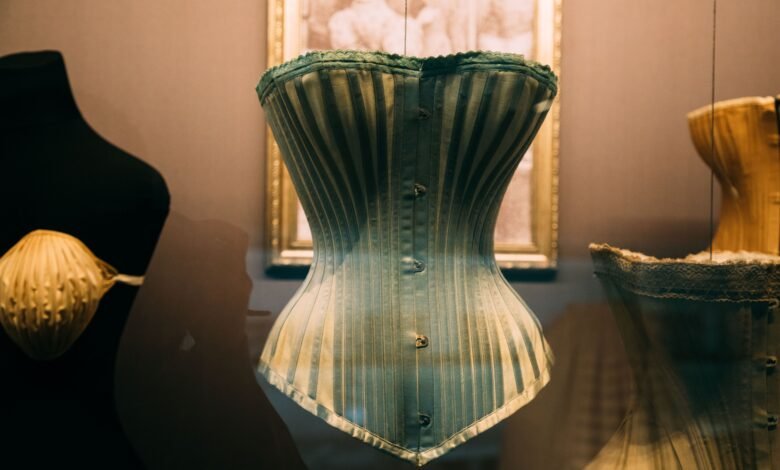
A corset is a structured, close-fitting garment that supports and shapes the torso. It is usually made from several layers of strong fabric, stiffened with vertical strips called boning, closed at the front with a metal busk, and tightened with laces at the back. Traditionally worn as underwear, it is now just as often worn as outerwear, as a bridal foundation, or as a costume and fashion piece.
That short definition holds up for nearly every corset you will meet, but the word is used loosely today. Some garments sold as “corsets” are really bustiers or corset-style tops with a little plastic boning and a zip. Others are genuine, steel-boned, laced garments built to a historical pattern. Knowing the difference helps you buy the right thing, wear it comfortably, and avoid the myths that surround it.
This guide covers everything a beginner needs in one place: how a corset is constructed, what is a corset the main types, how it compares with a bustier, bodice or waist trainer, a short and accurate history, how to choose the right size, how to wear and style it, how to care for it, and which common claims you should ignore.
What Does a Corset Do?

A corset does three main jobs:
- Supports. It lifts and holds the bust (in overbust styles) and distributes the weight of heavy skirts or gowns across the torso instead of the shoulders.
- Shapes. It smooths the midsection and defines the waist, creating an hourglass or other silhouette depending on the cut.
- Structures. It gives clothing a firm base. This is why wedding dresses, what is a corset historical costumes and stage outfits so often have corsetry built in.
A modern corset does not permanently change your body. It shapes the torso only while you are wearing it. We return to this point in the myths section, because it is the most misunderstood part of the topic.
How Does a Corset Work? The Anatomy of a Corset
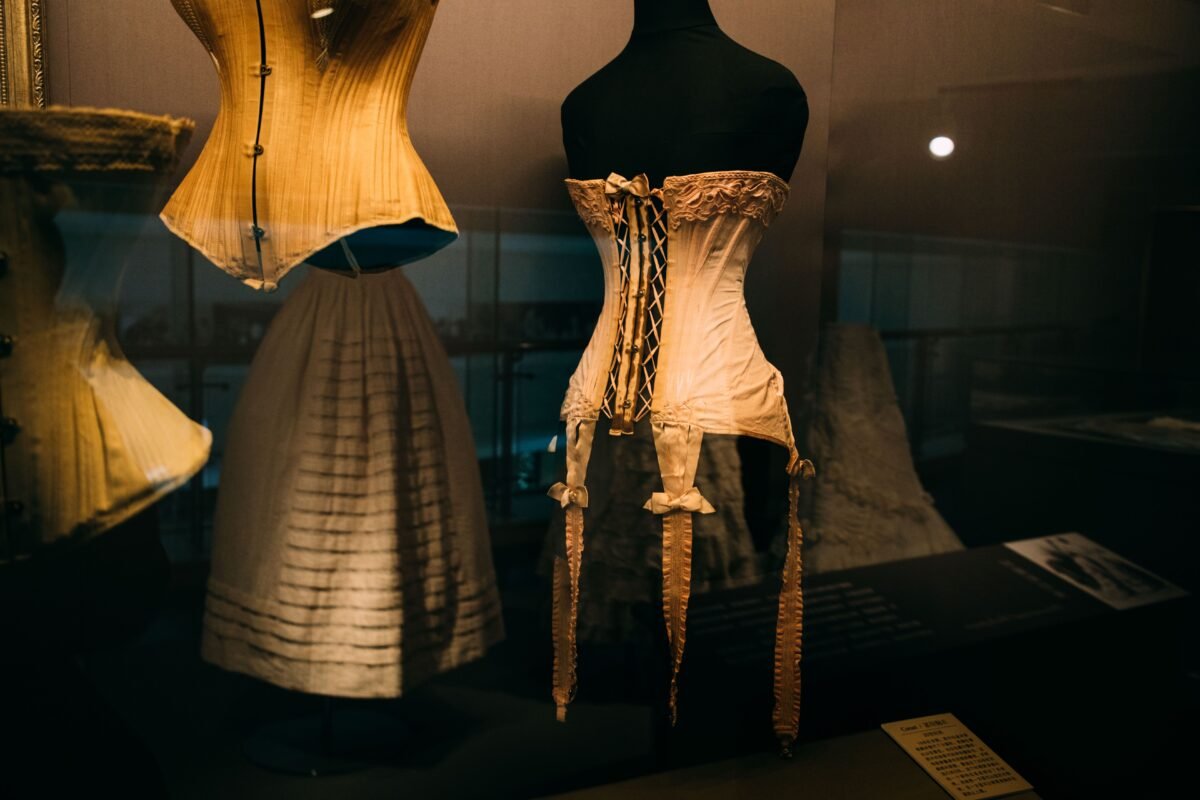
A corset works by combining rigid vertical supports with an adjustable lacing system. what is a corset The stiff panels hold their shape, and the laces let you set how snugly the garment sits. Here are the parts, from the outside in.
Boning
Boning is what makes a corset a corset. The word comes from the era when thin strips of whalebone (baleen) were used. Modern corsets use:
- Spiral steel boning, a coiled wire that bends side to side and forward and back, so it flexes with your body. It is common in quality corsets.
- Flat steel boning, a rigid strip that gives firm support and is typically placed at the centre back, beside the busk, and at key structural points.
- Plastic or synthetic boning, which is lighter and cheaper but gives less support and can bend permanently over time. It is typical of fashion corsets.
The type and amount of boning is the quickest clue to how strong a corset really is.
Busk
The busk is the front closure: two flat steel strips, one with studs and one with loops. what is a corset It lets you take the corset on and off without undoing the laces. Because it is rigid, it also keeps the front of the garment smooth and upright.
Back lacing
The laces run through metal eyelets (grommets) at the back and are tightened to adjust the fit. what is a corset In a well-made corset, the two back panels sit roughly parallel when laced, with a small gap between them. A corset whose edges touch at the back, or flare apart in a V shape, is the wrong size or the wrong cut.
Waist tape
Waist tape is a strong strip of fabric stitched around the waistline, inside the garment. It takes the strain when the corset is laced, so the outer fabric does not stretch or tear. Cheap garments often skip it, what is a corset and this is a common reason they lose their shape.
Panels and fabric layers
A corset is built from curved panels sewn together, and the curves are what create the shape. Quality corsets typically use a strong, tightly woven fabric such as cotton coutil as the structural layer, what is a corset with a fashion fabric (satin, brocade, mesh, cotton, leather) on the outside. Some have a single layer and some have two or more. More layers usually means more strength and less stretch.
Optional extras
- Modesty panel, a flap of fabric behind the laces for comfort and appearance.
- Suspender (garter) tabs, for holding stockings in vintage styles.
- Straps, which are mostly decorative or supportive on modern pieces, what is a corset since a true corset is held up by its fit around the ribs and hips, not the shoulders.
Main Types of Corsets
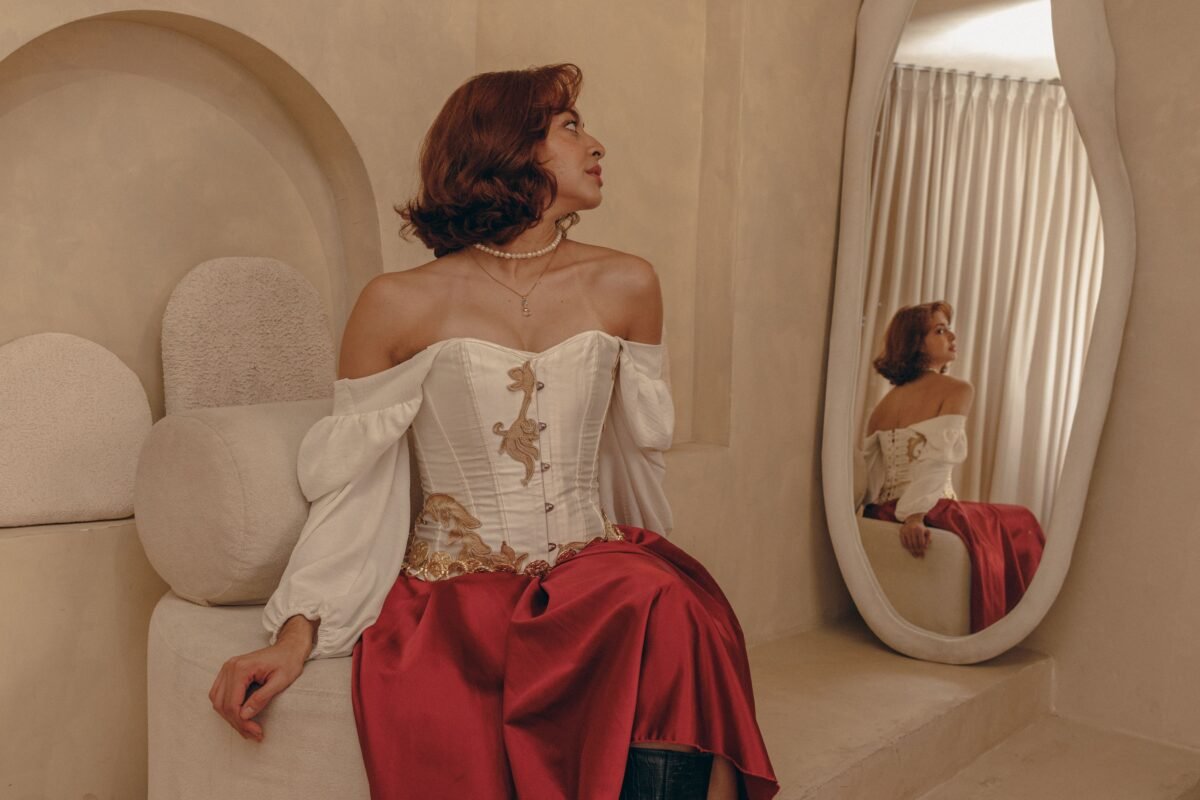
There are many named styles, but most fall into a handful of categories. what is a corset Grouping them by coverage and by purpose is clearer than memorising a long list.
By coverage
Overbust corset. Covers the bust and extends down to the hips. It supports the chest, shapes the whole torso, and can be worn as a top. This is the style most people picture when they think of a corset.
Underbust corset. Starts beneath the bust and finishes at or below the waist. It shapes the midsection and can be worn over a shirt, dress or blouse. It is often the most comfortable choice for a first corset, what is a corset because it does not need to fit around the bust.
Waist cincher or waspie. A short, shorter-than-underbust piece that sits mostly around the waist. It is used as a belt-like accent or a light shaping layer. Some are strongly boned; others are closer to a corset belt.
Longline or hip-length corset. Extends over the hips and sometimes the upper thighs, giving a longer, smoother line under fitted clothing.
By purpose
Fashion corset. Designed to look like a corset and give mild shaping. what is a corset It usually has lighter or plastic boning, often a zip or hook closure, and is intended for occasional wear.
Structured (authentic) corset. Built with steel boning, a busk, back lacing and waist tape. It gives real support and shaping, and it needs proper fitting. “Authentic” is not a legal term, so look at the construction rather than the label.
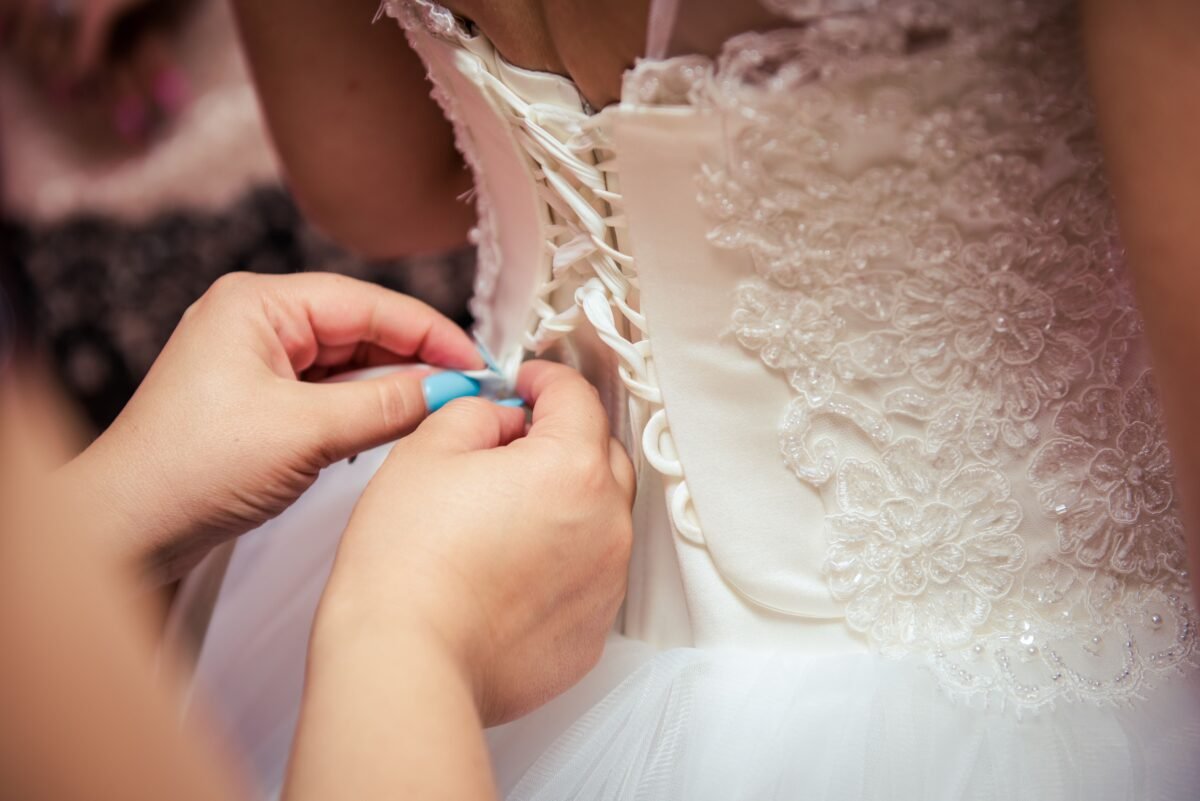
Bridal corset. Either a corset-back bodice built into a wedding gown, or a separate foundation worn under it. It supports the bust, carries the weight of the dress, what is a corset and allows fine adjustment of the fit on the day. Many brides choose a lace-up back because it can be adjusted for fittings and changes in size.
Historical and reenactment corsets. Patterned on a specific period (for example Elizabethan, Georgian, Victorian or Edwardian) and often made for costume, theatre or living history. Each period has a distinct shape, which is why a corset from one era may look completely different from another.
Waist-training corset. A heavily boned, steel corset with a pronounced waist curve, what is a corset marketed for gradual waist reduction. We cover the claims around this category below.
Costume and stage corsets. Built for appearance and durability under lights rather than for everyday comfort.
Corset vs Bustier vs Bodice vs Corset Top vs Waist Trainer
These terms are often mixed up, even by retailers. This table separates them.
| Garment | Typical structure | Main purpose | Typical use |
|---|---|---|---|
| Corset | Steel (or strong) boning, busk, back lacing, waist tape | Support and shaping with adjustable fit | Underwear or outerwear |
| Bustier | Lighter boning, usually hook-and-eye or zip closure, no lacing | Bust support and smoothing | Under or with strapless outfits, lingerie |
| Bodice | The fitted upper part of a dress; may include boning or a corset back | Gives the dress its shape | Dresses, gowns, costumes |
| Corset top | Corset-inspired outer garment, what is a corset usually plastic boning, zip or lace-up | Fashion look | Everyday and evening outfits |
| Waist trainer | Elastic or latex fabric, often with hooks or Velcro, sometimes with light boning | Compression marketed for a smaller waist | Worn under clothes or during exercise |
| Girdle | Elasticated, mostly boneless | Smoothing hips and thighs | Underwear |
The biggest practical difference is between a corset and a waist trainer. A corset is rigid and relies on its pattern and boning; a typical waist trainer is a flexible compression garment. They feel different, behave differently, and should not be treated as interchangeable.
A Brief History of Corsets
The history of the corset spans roughly five centuries, and it is more varied than the popular image of a Victorian hourglass.
16th century. Stiffened bodices, often called “pairs of bodies” or stays, appear in European fashion. They created the long, straight, conical torso that was fashionable in the Renaissance courts.
17th and 18th centuries. Stays, stiffened with whalebone or cane, were worn by women across social classes. what is a corset They supported the bust, held the back upright, and gave the cone-shaped silhouette of the period. Working women often wore lighter, less rigid versions suited to physical labour.
19th century. The corset is most strongly associated with this period. Advances in manufacturing, including metal eyelets and front busks, made corsets easier to put on, what is a corset cheaper to produce and more widely available. Silhouettes varied by decade, from the rounded shapes of the 1830s and 1840s to the more sculpted hourglass of the later Victorian decades. For further background on Victorian underpinnings, the Victoria and Albert Museum has a useful article on corsets, crinolines and bustles.
Around 1900. The so-called S-bend silhouette pushed the bust forward and the hips back. Around the same period, designers and dress reformers began to argue for less restrictive foundations.
Early 20th century. Fashion moved toward straighter, looser lines, and the traditional corset gave way to girdles and brassieres. Wartime restrictions on materials (including metal) are often cited as one factor, though changing tastes and lifestyles were also important.
Mid-century revival. The structured, nipped-waist look returned in the late 1940s, supported by waist cinchers and boned foundation garments.
Late 20th century to today. Designers brought the corset out of the dressing room and turned it into outerwear. Corset tops, corset dresses and laced bodices are now regular features of fashion, costume, bridal and alternative style, and period dramas have introduced new audiences to historical corsetry.
If you want to cite corset history, rely on museum collections, academic costume-history publications and reference works such as Britannica’s entry on the corset. Avoid sources that repeat unverified stories.
Why People Wear Corsets Today
The reasons have broadened considerably:
- Fashion. As a visible outer layer, a corset adds structure to jeans, skirts, trousers and dresses.
- Bridal wear. A corset back or internal corset gives a gown a clean, supported line.
- Costume and cosplay. Historical reenactment, theatre, festivals and cosplay all rely on corsetry.
- Support and posture. Some wearers like the upright feeling and back support a well-fitted corset provides for a few hours.
- Shaping. Many people enjoy the temporary change in silhouette.
- Personal style. Corsets are part of several subcultures and aesthetics, from vintage to goth to romantic.
How to Choose the Right Corset
Fit matters more than any other factor. A good corset in the wrong size is uncomfortable, and a modest corset in the right size can feel excellent.
Step 1: Decide how you will use it
- Occasional fashion wear: a fashion corset or corset top is usually enough.
- Costume, bridal or events: a structured, steel-boned corset gives a more authentic and supported look.
- Regular wear: invest in a well-made corset with steel boning and waist tape, ideally from a maker who offers detailed size charts.
Step 2: Take your measurements
Use a soft tape measure over thin clothing or directly on the skin:
- Natural waist. The narrowest part of your torso, usually just above the navel. Do not pull the tape tight.
- Underbust. Around the ribcage just beneath the bust (for overbust and some underbust styles).
- Bust. Around the fullest part of the chest (for overbust styles).
- Hips. Around the fullest part of the hips.
- Torso length. From the underbust or bust point down to the hip bone, or as required by the maker’s chart. This tells you whether the corset will sit comfortably without digging into the ribs or hips.
Because sizing varies between brands, always compare your measurements with the maker’s own chart rather than assuming a standard size.
Step 3: Choose the size sensibly
Corset sizes refer to the closed waist measurement of the garment. As a general starting point, many makers suggest choosing a corset a few inches smaller than your natural waist (commonly two to four inches for beginners, and often less if you want a very comfortable first experience). This is a guideline, what is a corset not a rule, and you should follow the guidance of the specific maker. Never buy a corset several sizes smaller on the assumption that you will “grow into it” or “train” down.
Step 4: Check the construction
Before you buy, look for:
- Steel boning (spiral or flat) rather than all-plastic boning, if you want real support.
- A sturdy busk at the front.
- Waist tape inside the garment.
- Reinforced eyelets that do not bend or pull out.
- Strong, even stitching, with no puckering along the seams.
- Clear sizing information and a stated return or exchange policy.
Step 5: Check the fit when you try it on
A correctly fitted corset should:
- Feel snug and supportive, not painful.
- Allow you to breathe, sit, and speak normally.
- Leave a small, fairly parallel gap at the back when laced.
- Not dig into the ribs, hips or bust.
- Stay in place without constantly sliding up or down.
If it pinches, rides up, leaves sharp marks or makes you feel dizzy or short of breath, it is the wrong size or style, or it is laced too tightly. Loosen it or take it off.
How to Put On and Break In a Corset
If your corset has a busk and lacing, follow this method:
- Loosen the laces fully so the corset opens easily.
- Wrap it around your torso with the lacing at the back and fasten the busk from the bottom up.
- Pull the laces gradually, working from the top and bottom toward the waist, tightening a little at a time.
- Tie the laces securely at the waist and tuck the ends away.
- Sit, stand and breathe deeply to check comfort, and adjust if needed.
A new, steel-boned corset often benefits from gentle “seasoning”: wear it loosely for short periods (an hour or two) at first, then slowly lengthen the time as the materials mould to your body. what is a corset Many makers recommend this to protect both the garment and the wearer. Always follow the instructions that come with your corset.
How to Wear and Style a Corset
One reason corsets are popular again is their versatility. These are some practical ways to wear one.
Casual
Pair a fashion corset top with high-waisted jeans, wide-leg trousers or cargo pants for a relaxed but defined look. Add a plain jacket or oversized shirt to keep it casual.
Smart or office-appropriate
Wear an underbust corset or corset belt over a shirt, blouse or knit dress. This adds structure without exposing the corset itself, and it works well with tailored trousers or a pencil skirt.
Evening and occasion wear
A satin, brocade or lace overbust corset pairs well with a long skirt, tailored trousers or a sleek midi. Keep accessories simple, as the corset is already the focal point.
Layered looks
Put a corset over a fitted long-sleeve top, a turtleneck or a flowing shirt. It breaks up the line of the body and adds shape in a comfortable way.
Bridal
For a wedding dress with a corset back or built-in corset, the best approach is to attend fittings in the shoes and undergarments you plan to wear on the day, and ask your seamstress or bridal stylist how the bodice interacts with your bra or bust support. Bring a trusted person who can help you lace the dress comfortably.
Styling tips
- Choose a corset that matches the occasion and your comfort level, not just the trend.
- Balance the structured top with a softer or flowing bottom, or the reverse.
- If wearing an overbust style as outerwear, check that the bust fits securely and that there is no gaping at the top edge.
- Keep the colour palette simple when the corset has a lot of detail.
Does a Corset Replace a Bra?
Sometimes. An overbust corset is designed to support the bust and may be worn without a bra, but many people still prefer a strapless or thin-band bra, especially with softer styles. An underbust corset does not support the bust at all, so you will need a bra or top underneath it. If in doubt, follow the maker’s recommendation or ask a qualified fitter.
Corset Care and Storage
A well-made corset can last for years if you treat it properly.
- Wear a layer underneath. A thin cotton or bamboo liner, or a close-fitting shirt, protects the corset from sweat and body oils and helps it last longer.
- Air it after wearing. Let the corset dry and air out before you put it away.
- Spot clean where possible. Many corsets should not go in the washing machine, because water can damage the steel and the fabric. Check the maker’s care label.
- Avoid heat and direct sunlight. These can damage fabrics and weaken adhesives.
- Store it carefully. Keep it flat, hung from the busk side, or loosely laced in a breathable bag. Do not fold it sharply or crush it under heavy items.
- Replace the laces when they fray. Worn laces can snap at an inconvenient moment.
If you are unsure, contact the maker. Their instructions override any general advice.
Common Corset Myths and Comfort Considerations
Corsets attract exaggerated claims from both supporters and critics. Here are the ones to be cautious about.
Myth: Corsets permanently reshape your body. Wearing a corset changes your silhouette while it is on. Claims that it creates a permanent smaller waist are not supported by good evidence, and you should be wary of any seller who promises guaranteed or dramatic results.
Myth: Victorian women had ribs removed. This popular story is generally rejected by costume historians and has no reliable supporting evidence. It is a myth, though extreme tight-lacing was real and could be uncomfortable or harmful.
Myth: Tighter is better. The opposite is true. Over-tightening can cause discomfort, restricted breathing, pressure on the ribs and digestive discomfort. A corset should feel supportive, not painful.
Myth: Every corset is steel-boned. Many fashion corsets use plastic boning or none at all. If steel boning matters to you, check the product description and photos.
Myth: A waist trainer and a corset are the same thing. They are different garments with different construction, as the comparison table shows.
Safety and comfort guidelines
- Never lace so tightly that you cannot breathe comfortably or speak normally.
- Stop wearing the corset if you feel faint, dizzy, short of breath, nauseous or in pain.
- Avoid wearing a corset during intense exercise unless the garment is specifically designed for it.
- Take it off to eat a large meal if it feels uncomfortable.
- If you are pregnant, have a medical condition affecting breathing, circulation, digestion or your back, or are recovering from surgery, speak with a qualified healthcare professional before wearing a corset.
This guide provides general information and is not medical advice.
Frequently Asked Questions
What is a corset used for?
A corset is used to support and shape the torso. Today it is worn as lingerie, as part of bridal and formal wear, as a costume or reenactment piece, and as a fashion garment.
What is the difference between a corset and a bustier?
A corset is rigidly structured, typically with steel boning, a front busk and back lacing, and it shapes the waist. A bustier is lighter, mostly supports and shapes the bust, and typically fastens with hooks or a zip rather than laces.
Can you wear a corset as a top?
Yes. Many corsets, especially overbust and fashion styles, are made to be worn as outerwear. Pair them with trousers, skirts or jeans, or layer them over a shirt.
Are corsets comfortable?
A properly fitted corset in the right size can be comfortable for several hours, though it will feel firmer than ordinary clothing. A poorly fitted or over-tightened corset can be uncomfortable or unsafe.
How should a corset fit?
It should feel snug and supportive without pain, leave a small parallel gap at the back when laced, and not dig into the ribs, bust or hips. You should be able to breathe, sit and move naturally.
Key Takeaways
- A corset is a boned, structured garment that supports and shapes the torso, usually with a front busk and back lacing.
- Overbust, underbust, fashion, bridal, historical and waist-training corsets differ in coverage, construction and purpose.
- Corsets, bustiers, bodices, corset tops and waist trainers are not the same thing.
- Fit is the most important factor: measure yourself, follow the maker’s size chart, and choose comfort over extreme tightness.
- A corset shapes your torso only while you are wearing it, and claims of guaranteed permanent change should be treated with caution.
- Stop wearing a corset if you feel pain, dizziness or breathing difficulty, and seek medical advice if you have a health concern.
Final Thoughts
The corset has been through five centuries of fashion, necessity, reform and revival. Today it is a flexible garment that can be foundation, costume or statement piece, depending on how you wear it. Understanding how it is built, what the different types are, and how to fit and care for it gives you everything you need to choose well and wear it comfortably.
Whether you are shopping for a wedding, putting together a historical outfit, or simply adding structure to an everyday look, start with the fit, check the construction, and prioritise comfort. That is the difference between a corset you wear once and a corset you keep for years.


