How to Style a Jean Jacket: Fit, Wash, and Outfit Ideas for Every Season

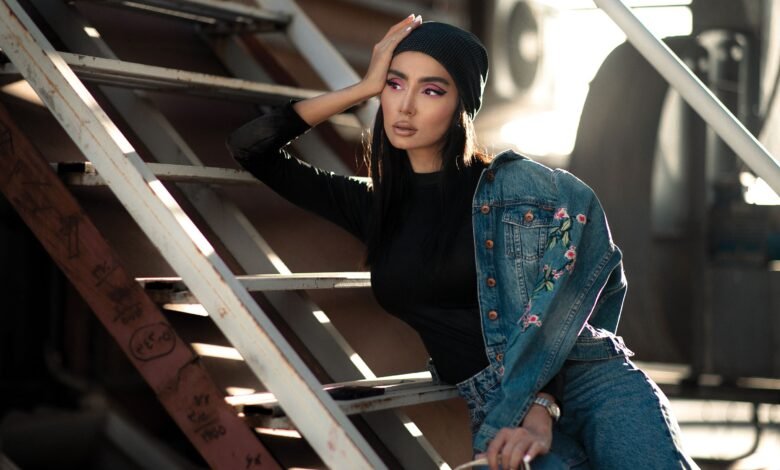
A jean jacket is one of the few pieces that works with almost everything in a closet: dresses, trousers, skirts, shorts, even tailored separates. Yet many people own one and only wear it one way, usually over a white tee with jeans. How to Style a Jean Jacket If you have ever stood in front of the mirror wondering why a jean jacket looks great on someone else but off on you, the reason is usually fit, proportion, or wash, not the jacket itself.
This guide explains how to style a jean jacket in practical, repeatable steps. You will learn how to choose the right fit and wash, how to balance proportions, how to adapt the jacket for every season, and how to dress it up or down. How to Style a Jean Jacket It is written for any gender, body type, and budget, and the principles apply whether your jacket is brand new or twenty years old.
Why the Jean Jacket Works So Well
Denim is a sturdy, matte, textured fabric. That texture and structure are what make a jean jacket so useful in an outfit.
- It adds structure. A relaxed outfit such as a T-shirt and joggers looks more deliberate with a structured layer on top.
- It tones down formality. A satin slip dress, a lace dress, or tailored trousers instantly feel more casual and wearable when paired with denim.
- It acts as a neutral. Blue denim sits comfortably next to nearly every color, so it can calm a bold color or balance two prints.
- It is a transitional layer. It adds light warmth without the bulk of a coat.
Stylists often describe this as the third-piece rule: most outfits look more complete when a third item, such as a jacket, vest, or scarf, is added to a base of top and bottom. A jean jacket is one of the easiest third pieces to use because it goes with so many bases.
Step 1: Choose the Right Fit
Before thinking about outfits, check that the jacket fits the way you want it to. How to Style a Jean Jacket The most common styling problems come from a fit that works against the rest of the outfit.
The fit checklist
- Shoulders. For a classic or fitted jacket, the shoulder seam should sit at the edge of your shoulder. How to Style a Jean Jacket If it hangs down your upper arm, the jacket will look sloppy unless it is intentionally oversized.
- Sleeves. Sleeves should end at the wrist bone or slightly below. Longer sleeves can be rolled or cuffed.
- Length. Classic jackets end around the hip bone or waistband. Cropped styles end at or above the natural waist. Oversized and longline styles end below the hips.
- Movement. You should be able to reach forward, hug someone, and lift your arms without the jacket riding far up your back. How to Style a Jean Jacket Rigid denim with no stretch can feel restrictive, so consider a small amount of elastane if comfort matters most to you.
- Closing. You do not have to button it, but check that it can close without pulling across the chest or back.
Common silhouettes and what they do
| Silhouette | What it looks like | Works best with |
| Classic or trucker | Fitted through the body, ends at the hip | Almost everything: jeans, dresses, skirts, trousers |
| Cropped | Ends at or above the natural waist | High-waisted bottoms, midi skirts, wide-leg pants, dresses with defined waists |
| Oversized | Roomy shoulders and body, often longer | Slim or fitted bottoms, bodycon or slip dresses, leggings |
| Longline or coat-length | Ends mid-thigh or lower | Slim trousers, skirts, layered looks in cool weather |
| Shacket or workwear style | Thicker denim, boxy, utility pockets | Casual layering, knitwear, corduroy or canvas pants |
| Lined or shearling-collar | Warm lining, often fleece or sherpa | Cold weather, as an outer layer with thick knits |
There is no single “best” silhouette. The right one depends on your proportions and what you plan to wear underneath.

Step 2: Understand Denim Washes
Wash affects how formal, casual, or bold the jacket looks.
- Light wash looks relaxed, bright, and casual. How to Style a Jean Jacket It suits warm weather and pairs well with white, pastels, and earth tones. It can look too casual for formal settings.
- Medium wash is the most flexible. It sits between casual and polished and pairs with almost every color. If you only own one jacket, this is a safe place to start.
- Dark or indigo wash looks sharper and more formal. How to Style a Jean Jacket It works well with tailored pieces, dresses, and evening looks, and it can make jeans of the same color look like a suit.
- Black or gray has an edgier, more neutral feel. It works with all-black outfits, leather, and monochrome looks, and it is less likely to clash with colors.
- White or ecru looks crisp and fresh. It suits summer and spring and works well over bright colors or other neutrals. It does show marks, so spot clean promptly.
- Colored denim (pink, green, red, and so on) acts as a statement piece. How to Style a Jean Jacket Keep the rest of the outfit simple.
- Distressed or heavily faded looks casual and worn in. It pairs well with simple basics, but it tends to look less polished with dressy pieces.
A useful guideline: the more formal the occasion, the darker and cleaner the wash and the fewer rips or embellishments the jacket should have.
Step 3: Balance Your Proportions
Most outfit problems come down to proportion. A few simple rules solve most of them.
Pair volume with fitted pieces. If the jacket is oversized or the bottom half is wide, such as wide-leg trousers, balance it with something closer to the body. How to Style a Jean Jacket A fitted top or tucked-in shirt helps.
Cropped jackets pair with higher waists. A short jacket looks best when the bottom piece begins at or above the natural waist, so that the jacket and the waistband meet cleanly instead of leaving a gap.
Longer jackets pair with slimmer bottoms. An oversized or longline jacket looks best with leggings, straight or slim jeans, or a bodycon or slip dress.
Mind the hem lines. If a dress or skirt hangs below the jacket hem, aim for a clear difference of a few inches so it looks intentional, not accidental.
Create a waist if you want one. A belt over or under the jacket, a tucked-in top, or a jacket with a nipped waist creates shape.
12 Practical Ways to Style a Jean Jacket
1. The classic: tee, jeans, and sneakers
A plain white or striped tee, straight-leg jeans, and clean sneakers is a reliable base. How to Style a Jean Jacket To avoid looking like a uniform, vary the washes: a lighter jacket with darker jeans, or the reverse.
2. Over a dress
A jean jacket tones down almost any dress. Over a floral dress, it adds a casual finish. How to Style a Jean Jacket Over a slip dress or a lace dress, it creates a contrast between soft and rugged fabrics. Choose a cropped jacket for dresses that have a defined waist, and a classic or oversized jacket for loose, flowing styles.
3. With a midi or maxi skirt
Skirts with movement look good with a cropped or classic jacket that stops at the waist. How to Style a Jean Jacket A tucked-in top keeps the waistline clean. Ankle boots suit cooler days, and flat sandals suit warm ones.
4. With tailored trousers
For a smart-casual look, pair a dark jean jacket with trousers in black, gray, camel, or cream. Add a fine-knit sweater or a crisp shirt and loafers. This is a good option when you want something less formal than a blazer.
5. With wide-leg pants
Wide-leg pants add volume at the bottom, so keep the top half fitted. A cropped or hip-length jacket and a slim top work well. Avoid a long, boxy jacket with very wide pants, as the outfit can look shapeless.
6. Double denim
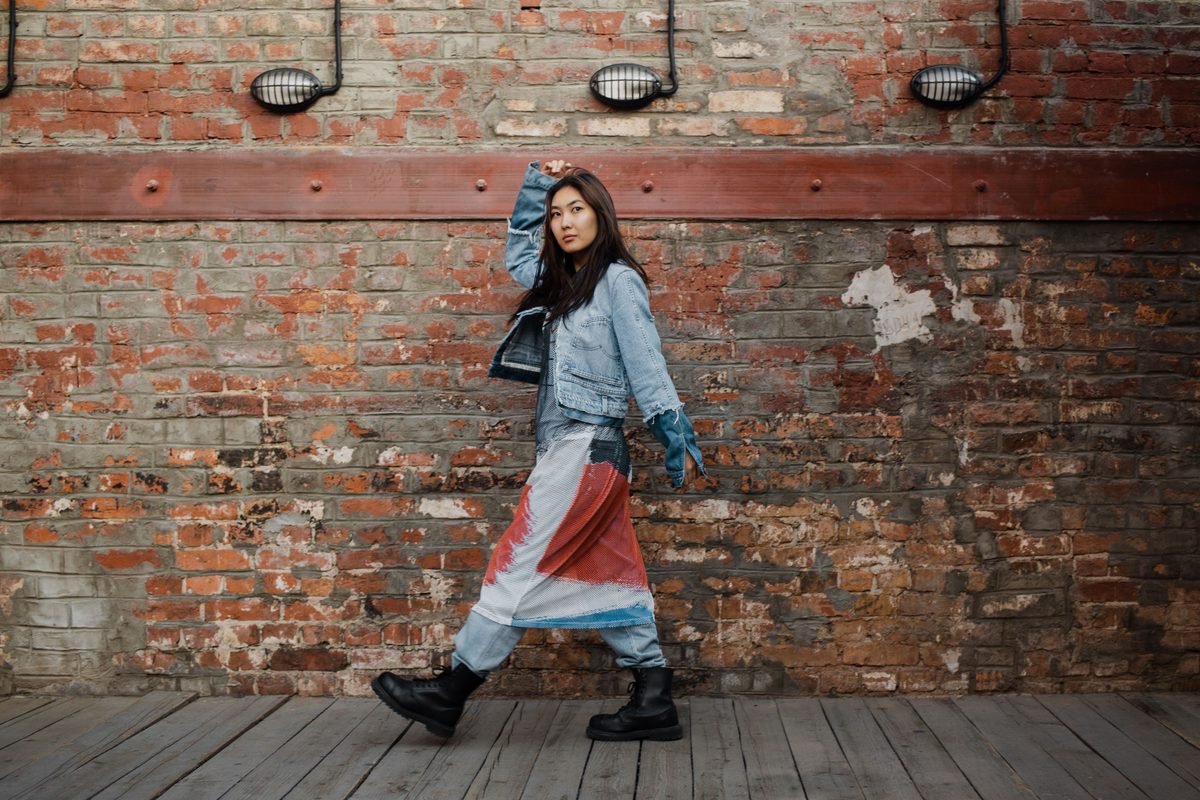
Wearing denim on denim is sometimes called a Canadian tuxedo. The rule is contrast: make the jacket and the bottoms noticeably different washes, such as dark jeans with a light jacket. How to Style a Jean Jacket If you want matching denim, make it look deliberate by choosing a true matching set. Separate the two with a neutral top in white, black, or gray.
7. Over a hoodie or sweatshirt
Layering a jean jacket over a hoodie is a casual cold-weather look. How to Style a Jean Jacket Choose a slightly roomier jacket so that it fits comfortably over the extra bulk, and keep the hood tucked inside or lying flat.
8. Under a coat
A fitted jean jacket makes a good mid-layer under a trench, a wool coat, or a leather jacket. Choose a slimmer jacket so that it does not bunch up under sleeves, and make sure the coat is cut generously enough to fit the extra layer.
9. Over the shoulders
Draping the jacket over your shoulders, with the sleeves hanging or loosely knotted, adds a relaxed, finishing touch to a dress or a shirt. It is also a practical way to carry a layer on days when the temperature changes.
10. Tied at the waist
Knot the sleeves around your waist if you do not need the jacket right now. How to Style a Jean Jacket This adds interest at the hips, but it can add visual bulk, so it works best over slim bottoms and with light fabrics.
11. With leather or suede pieces
Denim pairs well with leather, such as a belt, boots, a bag, or even a skirt. Stick to a limited palette, such as brown and blue, or black and blue, so the textures stand out instead of competing.
12. As a top
When buttoned all the way up, a fitted or cropped jean jacket can work as a shirt, especially with a tailored skirt or wide-leg pants. Roll the sleeves and check that the jacket does not feel restrictive when you sit.
How to Style a Jean Jacket by Season
The jean jacket is often described as a spring and fall item, but it can work all year if you adjust the layers underneath. Note that seasons are opposite in the northern and southern hemispheres, so the months below are less important than the temperature.
Spring
Spring weather is changeable, so layers matter. Wear a jean jacket over a light top and a skirt, midi dress, or trousers. How to Style a Jean Jacket White, light, and medium washes feel fresh. Carry it if the temperature rises.
Summer
Denim is warm, so use a lighter weight, an unlined jacket, or a cropped style. A jean jacket works well in the evening over a sundress, shorts, or a linen set, and in air-conditioned places. White and light washes are the most comfortable choice for heat.
Autumn (Fall)
This is the season where a jean jacket works hardest. Pair it with knits, flannel shirts, corduroy, boots, and scarves. Warm tones such as rust, olive, mustard, and brown look good next to blue denim. A medium or dark wash is a good fit.
Winter
A standard jean jacket does not give enough warmth to be an outer layer in cold weather, so use it as a mid-layer or choose a lined version. Layer it over a thick sweater or a turtleneck and under a long wool coat or puffer. How to Style a Jean Jacket In cold climates, a shearling-lined or fleece-lined style is a better outer layer. Use a thermal base, warm socks, and boots, and keep your hands and neck covered with gloves and a scarf.
How to Style a Jean Jacket for Different Occasions
Casual weekends and errands
Pair the jacket with a tee, relaxed jeans or leggings, and sneakers. Keep accessories simple: a tote, sunglasses, and a cap if you like.
Work and smart-casual offices
If your workplace allows denim, choose a dark, clean, unripped jacket. Wear it with tailored trousers or a midi skirt, a knit top, and loafers or flats. Avoid heavy distressing, bright embellishments, and large logos. When in doubt, check your office dress code.
Date night and evenings
Pair a dark or black jean jacket with a slip dress, a satin skirt, or fitted black pants and a camisole. How to Style a Jean Jacket Add heels or heeled boots, simple jewelry, and a small bag. The mix of dressy and casual keeps the outfit relaxed but polished.
Travel
A jean jacket is a good travel layer because it is durable, goes with many outfits, and has pockets. Pair it with comfortable trousers or leggings, a plain tee, and supportive sneakers. Choose a lightweight style with some stretch for long flights or drives.
Festivals and weekend events
This is the place for more personal styling: a distressed or embellished jacket, pins, patches, shorts or a skirt, and boots or sneakers. Keep the base outfit simple so the jacket stays the focus.
Styling a Jean Jacket for Different Body Types and Sizes
Fashion advice is more useful when it focuses on fit and proportion than on rules about bodies. These tips apply broadly.
- Petite frames: Look for shoulder seams that sit at your shoulders and a hem at or above the hip so that the jacket does not overwhelm your height. How to Style a Jean Jacket Petite sizing often fixes sleeve and shoulder proportions.
- Tall frames: Check that the sleeves and body are long enough. Longline and oversized styles can look especially good.
- Plus sizes: Choose a jacket with some stretch and enough room in the shoulders, chest, and arms. A slightly longer jacket or one with a swing or A-line shape can be comfortable to wear and to layer.
- Broad shoulders: Look for a roomier cut through the back and shoulders, or a style with a relaxed or swing silhouette.
- Wanting more shape at the waist: Try a jacket with a defined waist, a peplum style, or add a belt.
- Men and menswear styling: The same fit rules apply. How to Style a Jean Jacket Pair a classic or trucker jacket with plain tees, chinos, or straight-leg jeans, and wear a dark wash with a button-down shirt for smart-casual looks. For double denim, again keep the washes distinct.
The most important test is how the jacket feels and looks on you, so try different sizes and silhouettes before you decide.
Accessories That Work with a Jean Jacket
- Shoes: White sneakers, ankle boots, loafers, sandals, and knee-high boots all work. Match the formality of the shoe to the outfit.
- Bags: A leather crossbody or tote suits most looks. How to Style a Jean Jacket A structured bag dresses things up, and a canvas bag keeps them casual.
- Jewelry: Choose either delicate layered chains or one bolder statement piece. Mixing gold and silver is acceptable when you do it on purpose.
- Scarves: A silk scarf adds polish, and a chunky scarf adds warmth.
- Hats: A baseball cap is sporty, a wide-brim hat is relaxed and summery, and a knit beanie works in cold weather. Straw hats are lightweight and suited to warm days, while felt hats are better for cooler months.
- Pins and patches: Small enamel pins or patches on the collar or pocket personalize the jacket. Keep them limited if you want a polished look.
Common Mistakes to Avoid
- Wearing the wrong size. A jacket that is too tight restricts movement and looks strained, and one that is too loose without being intentionally oversized looks sloppy.
- Matching washes by accident. Two slightly different blues look like a mistake. Make the contrast clear or match them exactly.
- Ignoring proportions. Pairing a boxy jacket with wide pants, or a cropped jacket with a low-rise bottom, often leaves the outfit feeling unbalanced.
- Choosing the wrong wash for the occasion. A heavily distressed jacket can look out of place in a formal setting.
- Overloading the jacket. Too many patches, pins, and embellishments limit what you can wear it with.
- Relying on it for warmth in cold weather. A standard denim jacket is not an insulating coat.
- Skipping the details. Rolling the sleeves, popping the collar, or adjusting the buttons can change the entire look.
How to Care for Your Jean Jacket
Caring for denim properly helps it last for years.
- Wash less often. Denim does not need laundering after every wear. How to Style a Jean Jacket Spot clean marks and air the jacket out between washes.
- Wash inside out, in cold water, on a gentle cycle, to reduce fading and wear.
- Use a mild detergent and avoid bleach, which can damage the fibers and the color.
- Hang to dry or lay it flat. High heat in a dryer can shrink cotton denim and damage stretch fibers.
- Check the label. Care instructions vary depending on fabric blend, lining, and any embellishments.
- Store on a sturdy hanger to keep the shoulders in shape.

What to Look for When Buying a Jean Jacket
If you are choosing a new jacket, use this checklist.
- Fabric: 100 percent cotton denim has a classic feel and ages well. A small percentage of elastane adds stretch and comfort.
- Weight: Heavier denim is more durable and warmer. Lighter denim is more comfortable in warm weather.
- Fit: Check the shoulders, sleeve length, and hem first. Tailoring sleeves is usually easier than altering shoulders.
- Wash: Medium wash is the most versatile starting point, and a second wash can be added later.
- Details: Plain buttons, simple pockets, and clean stitching are the easiest to style. Strong details are fun but limit versatility.
- Construction: Look for strong seams, firmly attached buttons, and even stitching.
- Secondhand options: Vintage and secondhand jackets are often well made and affordable. Check the fit carefully since vintage sizing can be different.
Frequently Asked Questions
What should I wear with a jean jacket? Almost anything works: tees, shirts, knits, dresses, skirts, jeans, trousers, and leggings. Focus on fit and proportion more than on specific pieces.
Can I wear a jean jacket with jeans? Yes. The key is contrast. Wear two clearly different washes, or a true matching set, and break up the denim with a neutral top.
Is a jean jacket warm enough for winter? Not usually on its own. Wear it as a mid-layer under a coat, or choose a lined style for cold weather.
What wash is the most versatile? Medium wash is usually the safest choice. How to Style a Jean Jacket It pairs with the widest range of colors and occasions.
How should a jean jacket fit? Shoulder seams should sit at the edge of your shoulders, sleeves should end near your wrist, and you should be able to move freely. Oversized styles are the exception, as they are meant to be roomy.
Can I wear a jean jacket to the office? In workplaces that allow denim, a dark, clean, unripped jacket worn with tailored pieces can work. Check your dress code first.
How do I make a jean jacket look dressier? Choose a dark, clean wash, then pair it with tailored trousers, a slip dress or a silk top, and polished shoes and accessories.
Can men and women style jean jackets the same way? The principles of fit, wash, and proportion are the same. Pick the silhouette and pieces that suit your style.
How often should I wash a jean jacket? Only when it needs it. Spot clean when possible and wash inside out in cold water.
Key Takeaways
- Start with fit. Shoulders, sleeve length, and hem length decide most of how a jean jacket looks.
- Choose the wash for the occasion: lighter for casual, darker for polished, black or gray for an edgier, neutral look.
- Balance proportions: volume on one half of the outfit, fitted pieces on the other.
- For double denim, make the contrast between the two washes clear.
- A jean jacket works in every season if you adapt the layers underneath, but it is not a substitute for a winter coat.
- Small details such as rolled sleeves, a belt, or the right shoes change the look more than people expect.
- Care for the jacket by washing it less often, in cold water, and air drying it.
Final Thoughts
A jean jacket is simple, but it rewards attention to detail. Choose a fit you can move in, a wash that suits how you dress, and a few reliable outfit formulas, and it will become the layer you reach for without thinking. Try one new combination this week, such as a cropped jacket over a midi dress or a dark jacket with tailored trousers, and see how much range one piece can give you.