What to Wear to a Wedding: The Complete Guest Guide for Every Dress Code, Season and Culture


You opened the invitation, said yes with a smile, and then the real question arrived: what to wear to a wedding without looking underdressed, overdressed or accidentally competing with the couple. What to Wear to a Wedding It is one of the most common worries guests have, and for good reason. A wedding mixes formality, weather, venue, family tradition and photography into one day, and the invitation rarely spells everything out.
This guide answers the question from every angle. What to Wear to a Wedding You will find plain-language definitions of every dress code, clear rules on colors (including white, black and red), outfit ideas for men, women and everyone in between, advice for different seasons and venues, cultural and religious etiquette, and the practical details most guides skip: comfort, layers, undergarments, budget, timing and even a final checklist. What to Wear to a Wedding Read it once and you will be able to decide what to wear to a wedding with confidence, whatever the invitation says.
The Quick Answer: What to Wear to a Wedding in 60 Seconds
If you only have a minute, use this formula:
- Read the dress code on the invitation or wedding website. What to Wear to a Wedding It is your single best clue.
- Match the venue and time of day. A garden at noon and a ballroom at 8 p.m. call for very different outfits.
- Avoid white and its cousins, and avoid the colors the wedding party is wearing.
- Check cultural and religious expectations for the ceremony, especially around coverage and color.
- Choose comfort you can last in. You may stand, walk on grass and dance for hours.
- When in doubt, dress one step up. Being slightly more polished is almost always safer than being too casual.
The rest of this article explains each step in detail.
Step 1: Understand the Dress Code
The dress code is the couple’s way of telling you how formal the day will be. What to Wear to a Wedding Because the terms are often misunderstood, here is what each one actually means, with outfit ideas for different styles.
White Tie
The most formal dress code there is, and very rare. Think state dinners and grand evening galas. Guests wear floor-length evening gowns or equally formal eveningwear. Traditional menswear is a black tailcoat with matching trousers, a white formal shirt, white bow tie and formal shoes. Evening only.
Black Tie
Formal evening dress. What to Wear to a Wedding A floor-length gown, an elegant formal jumpsuit or a refined formal pantsuit works well. For menswear, a tuxedo with a dress shirt, bow tie and polished dress shoes is the standard. Accessories can be dramatic: statement earrings, a structured clutch, cufflinks, a pocket square.

Black-Tie Optional
The couple prefers formal attire but does not require a tuxedo. What to Wear to a Wedding A floor-length or very elegant long dress works, as does a dark, well-tailored suit with a tie for men. A tuxedo is welcome but not mandatory.
Formal
Similar to black-tie optional: dressy and polished, usually evening. A long dress, a dressy midi, an elegant separates set, or a dark suit with a tie. Choose luxe fabrics such as satin, crepe or velvet and keep the look refined.
Cocktail
A step below formal but still celebratory. What to Wear to a Wedding Aim for a dress that falls around the knee or just below it, a dressy jumpsuit, or stylish separates. Men can wear a suit in navy, charcoal or another deep shade, with a tie optional depending on the vibe. Shorter hemlines are fine here, but keep them tasteful.
Semi-Formal
Polished but not fancy, often daytime or early evening. Knee-length or midi dresses, dressy trousers with an elegant top, or a lighter-toned suit all work. Think “nice dinner out” turned up a notch.
Dressy Casual
Relaxed but still put together. Sundresses in nicer fabrics, a blouse with tailored trousers, a blazer with chinos, loafers or dressy flats. Avoid anything that looks like weekend errands.
Casual
The couple wants comfort. That does not mean gym clothes. Think a breezy dress, a collared shirt with lightweight trousers, clean shoes. Even in a casual wedding, jeans, T-shirts and sneakers are usually best left at home unless the couple says otherwise.
Beach or Destination
Light, breathable fabrics in linen, cotton or chiffon. Flowing maxi dresses, lightweight suits or linen shirts with trousers. Choose block heels, wedges or flat sandals, since stilettos sink in sand. Pick fabrics that will not show sweat or wrinkle instantly.
Festive, Themed or Cultural Attire
Some invitations say “festive,” “garden party,” “tropical,” or name a specific cultural dress. Festive generally means color, texture and a little sparkle. For themes, follow the spirit without turning your outfit into a costume. For cultural attire, see the dedicated section below.
No Dress Code Listed?
Check the wedding website, look at the venue, and consider the time of day. What to Wear to a Wedding If you still cannot tell, ask the couple, a member of the wedding party or another guest. A short message is far better than guessing.
Step 2: Know the Color Rules
Color causes more wedding guest anxiety than almost anything else, so let us be specific.
Avoid White and Every Shade Close to It
The tradition that guests do not wear white is about letting the bride stand out, and it has grown beyond plain white. Many modern brides choose ivory, cream, champagne, ecru, vanilla, light gold or pale blush, and some choose color altogether. To be safe, skip anything that could read as white or off-white in photographs.
There is nuance here. A white shirt under a suit or tuxedo is perfectly normal. A dress that is mostly colored with small white details, or a floral print on a light background, is usually fine, since it is clearly not a bridal look. What to Wear to a Wedding The test is simple: could someone glance at your photo from across the room and mistake you for the bride? If so, choose something else.
Do Not Match the Wedding Party
If you know what the bridesmaids and groomsmen are wearing, avoid that color. What to Wear to a Wedding You do not want to be mistaken for part of the wedding party, and it can look awkward in group photos. If the invitation or wedding website mentions a color palette, treat that as a gentle hint to choose either a complementary shade or a neutral.
Can You Wear Black?
Yes, in most modern weddings, especially in the evening. Black is flattering, versatile and often the elegant choice for black-tie events. The caution is about tone: a plain black outfit with no color or sparkle can feel somber for a joyful daytime celebration. If you wear black, lift it with jewelry, a colorful clutch, a metallic shoe or a rich accent. What to Wear to a Wedding Keep in mind that in some cultures, black is traditionally associated with mourning, so check the cultural guidance below before you decide.
What About Red?
Red is a bold choice, and it carries meaning. In several cultures it is the traditional color of the bride, so guests often avoid it. What to Wear to a Wedding In others it is considered lucky for everyone. What to Wear to a Wedding Even in a Western wedding, a head-to-toe bright red look may draw the attention away from the couple. When red is not clearly welcome, choose burgundy, wine or rust instead.
Colors That Almost Always Work
- Jewel tones such as emerald, sapphire, amethyst and ruby, especially in autumn and winter.
- Soft pastels such as sage, lavender, dusty blue and peach for spring and summer.
- Navy, deep green and charcoal for formal or evening events.
- Florals and prints in daytime or garden settings, as long as the background is not white or cream.
- Metallics such as gold, silver or bronze in small doses for evening.
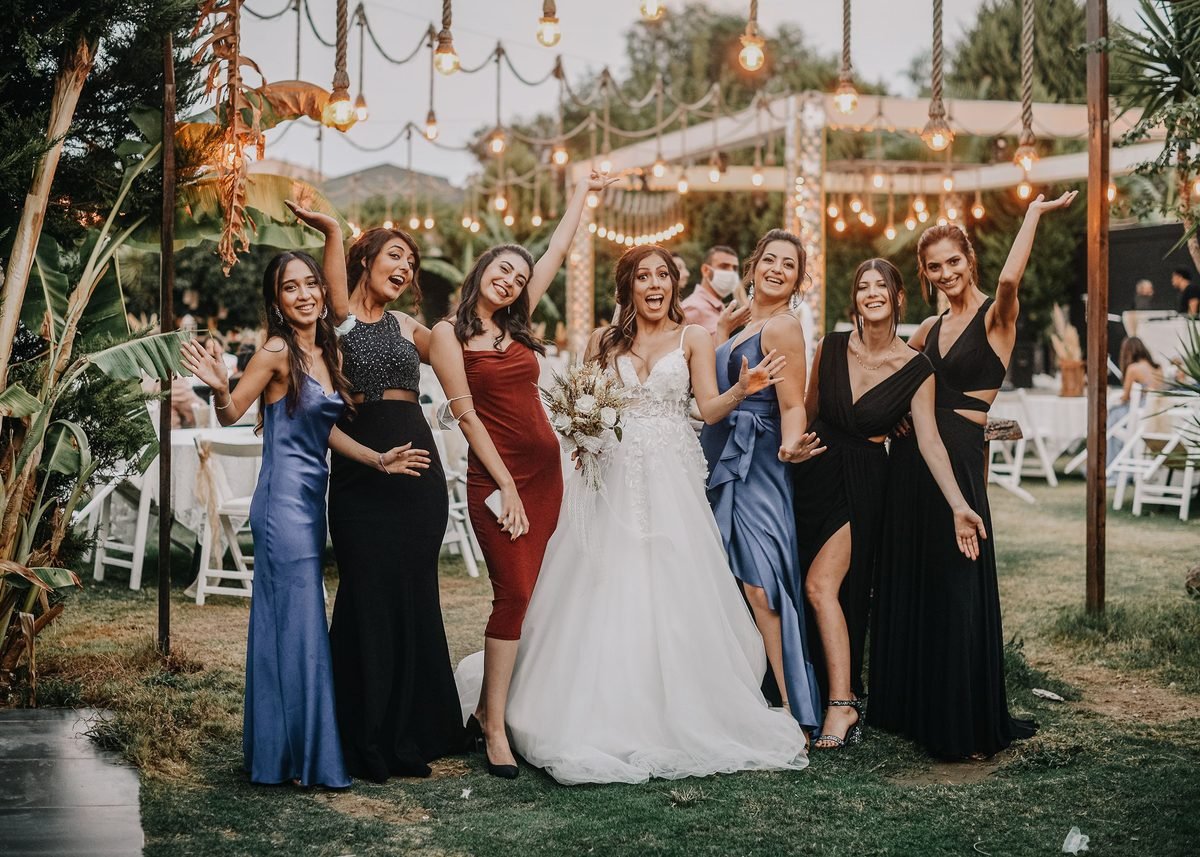
Step 3: Dress for the Season and the Weather
Season affects fabric, color and layers. Weather affects everything else.
Spring
Choose light fabrics like chiffon, cotton blends and crepe. Pastels, soft florals and fresh greens suit the season. What to Wear to a Wedding Bring a light wrap, since spring evenings cool quickly and showers are common.
Summer
Linen, lightweight cotton, silk and chiffon keep you comfortable in heat. Light colors and bright prints feel festive. Avoid heavy, clingy fabrics and anything that shows sweat easily. Sunglasses, sunscreen and a small fan are practical extras for outdoor ceremonies.
Autumn
Deeper tones are ideal: burgundy, forest green, rust, plum and navy. Satin, velvet and richer weaves work well. Pack a light jacket or shawl.
Winter
Velvet, heavier satin and long sleeves look elegant and keep you warm. Dark jewel tones and metallics suit the season. Plan for the transit between buildings: a good coat, closed shoes and a spare pair for walking in snow or slush.
Weather on the Day
Check the forecast a few days ahead. Wind can make a very light skirt a problem, so choose a hemline with some weight or a slip that gives you coverage. Rain calls for shoes you can walk in and a compact umbrella. Heat means breathable fabrics and a backup plan for a damp shirt. Cold means layers you can add and remove.
Step 4: Use the Venue and Time of Day as Your Guide
The venue tells you more than most people realize.
- Church, temple, mosque or other place of worship: Plan for modesty. Covered shoulders, knee-length or longer hems and a wrap or jacket in your bag are smart choices.
- Ballroom or hotel: Formal fabrics, longer hems and polished shoes fit well.
- Garden or vineyard: Block heels or wedges instead of stilettos, which sink into grass. Floaty dresses and light suits suit the setting.
- Beach: Flat sandals or wedges, breathable fabrics and secure hems. Bring shoes you can carry if you want to take them off for photos.
- Barn or rustic venue: Dressy but practical. What to Wear to a Wedding Think midi dresses, nice separates and sturdy dress shoes or block heels.
- City hall or courthouse: Often short and intimate. Smart, polished outfits are appropriate, and a blazer or tailored set is a natural choice.
- Destination wedding: Consider the local climate, luggage limits and any local customs about dress.
Time of day matters too. Daytime weddings tend to be lighter in color and fabric, with shorter or midi hems and brighter prints. Evening weddings lean darker, more luxurious and more formal, with richer fabrics, longer hems and statement accessories. What to Wear to a Wedding A black-tie outfit at a noon garden ceremony will look out of place, and so will a casual sundress at a candlelit evening reception.
What Women Can Wear to a Wedding
Dresses are the classic choice, but they are far from the only one.
Dresses. Choose the length by dress code: floor-length for black tie, long or elegant midi for formal, knee-length or midi for cocktail and semi-formal. Wrap dresses, A-line dresses and slip dresses are all flattering and comfortable.
Jumpsuits. A tailored jumpsuit in a rich fabric looks elegant and is easy to dance in. Look for wide legs, a defined waist and a formal fabric such as crepe or satin.
Separates and pantsuits. A tailored trouser suit, a silk top with a satin skirt or a matching two-piece set is stylish and works for most dress codes. For black-tie events, choose a formal fabric and elegant details.
Skin and fit. Avoid outfits that are very low-cut, very short or very sheer for most weddings. A good guide is to choose one area to highlight, such as shoulders, back or legs, and keep the rest balanced. In religious venues, plan to cover shoulders and avoid short hems.
Do not upstage the couple. The day belongs to them. Avoid dramatic trains, giant embellishments or anything that pulls attention away from the bride, groom or both partners.
What Men Can Wear to a Wedding
Men often get less guidance, so here is a clear framework.
- Black tie: Tuxedo, dress shirt, bow tie or black tie, cummerbund or vest if you like, polished black dress shoes.
- Black-tie optional or formal: A tuxedo or a dark suit in black, navy or charcoal, with a crisp shirt, tie and leather shoes.
- Cocktail: A well-fitted suit in navy, charcoal, deep green or another dark color. A tie is usually expected; a pocket square adds polish.
- Semi-formal: A suit or a blazer with dress trousers, with or without a tie, depending on the vibe.
- Dressy casual or casual: A blazer with chinos, a collared shirt with lightweight trousers, or a linen suit in summer. Loafers or clean leather shoes are better than sneakers.
- Beach or tropical: A lightweight linen suit or linen shirt with trousers. Skip heavy fabrics and dark layers in hot weather.
Fit matters more than price. A well-tailored mid-range suit looks better than an expensive suit that is too big or too tight. Choose a belt that matches your shoes, make sure socks cover your ankles, and keep accessories simple: a watch, cufflinks, a tie clip or a pocket square.
Gender-Neutral and Non-Binary Wedding Guest Outfits
You do not have to follow a gendered template. Whatever your identity, you can dress for the dress code in a way that feels like you. Tailored suits, jumpsuits, wide-leg trousers with elegant tops, long tunics, structured jackets and flowing dresses are all valid choices. Focus on the formality level, fabric and fit, and choose what makes you comfortable and confident.
Plus-Size and Curvy Guests
Good fit is everything. Look for wrap styles, A-line shapes, structured fabrics that drape well and tailored separates. Many guests find that a small alteration, such as adjusting a hem or taking in a waist, makes an outfit look custom made. What to Wear to a Wedding Shop early, since a wider range of sizes and styles is easier to find when you are not rushing. Avoid fabrics that cling or wrinkle badly, and focus on lining and support that keep you comfortable all day.
What to Wear if You Are Pregnant
Choose stretchy, breathable fabrics and designs that grow with you, such as wrap dresses, empire waists, flowing maxis and maternity-friendly formalwear. Plan for swelling feet by choosing supportive flats or low block heels, and make sure you can sit and stand easily. What to Wear to a Wedding Bring a wrap in case you feel warm or cold, and consider an outfit with some flexibility, since your size may change between buying and the wedding.
Cultural and Religious Wedding Etiquette
Weddings are deeply tied to culture and faith, and the right outfit can differ widely. What to Wear to a Wedding The most useful rule is to ask the couple or a close family member, but these general guides can help you start.
South Asian weddings (Pakistani, Indian, Bangladeshi and others). These are often multi-day celebrations with different events. Bright, rich colors are welcome: emerald, fuchsia, royal blue, gold, saffron and deep pink. Avoid white and black, which can be associated with mourning in some families, and avoid red, which is traditionally reserved for the bride. Women can wear a shalwar kameez, saree, lehenga or an elegant long dress, with shoulders and legs covered in a modest way. Men can wear a kurta, sherwani, waistcoat or a smart suit. Event colors may differ: a mehndi is often yellow, green and playful, while a barat or valima is more formal.
Muslim ceremonies. Dress modestly: covered shoulders, knees and often arms. Long dresses, tunics with trousers or abayas are suitable. Some ceremonies have separate seating, and some mosques ask guests to remove shoes. Women may want to bring a scarf.
Hindu ceremonies. Bright, festive colors are encouraged. Avoid white or black in many families. Women may choose a saree, a lehenga or a modest long dress. Men can wear a kurta or a suit. Expect to remove your shoes at the ceremony space.
Sikh ceremonies. In a gurdwara, both women and men cover their heads and remove their shoes. Dress modestly with covered shoulders and legs. Bright but respectful colors are welcome.
Jewish ceremonies. Modest dress is customary, especially at Orthodox weddings, with covered shoulders, knees and sometimes arms. Men may be offered a kippah. Many couples ask guests to avoid white, and some ceremonies take place after dark.
Chinese ceremonies. Red is lucky and strongly associated with the bride and the celebration, so guests often avoid wearing it as a main color. Avoid white and black, which are linked to funerals. Gold, pink, jewel tones and bright colors are welcome.
Christian ceremonies. Many churches expect covered shoulders for the ceremony, and a shawl or jacket is a simple solution. Some more traditional ceremonies prefer longer hems.
If the invitation says “traditional attire encouraged,” you can choose cultural clothing even if it is not your own heritage, but ask a friend or the couple what is appropriate so you wear it respectfully. If you are unsure of any rule, a modest, polished outfit in a jewel tone is a safe, respectful choice.
Multiple Events: Dressing for the Whole Wedding Weekend
Many weddings include more than one event, and each one has its own feel.
- Welcome drinks: Smart casual or cocktail, depending on the invitation. Comfortable but put-together.
- Rehearsal dinner: A polished look, often a step up from smart casual. A sophisticated top with elegant trousers, or a midi dress, works well.
- Ceremony and reception: Follow the main dress code. What to Wear to a Wedding Choose pieces that carry you from a seated ceremony to a standing cocktail hour to a dance floor.
- Day-after brunch: Relaxed and comfortable. Soft layers, a sundress or neat separates.
- Bridal shower or engagement party: Lighter colors, prints and a more playful feel.
Packing tip: choose pieces that mix and match, so a few items cover multiple events.

The Practical Details Most Guests Forget
Comfort
You may be on your feet for ten hours. Choose shoes you have tested, not shoes you hope will work. What to Wear to a Wedding Bring a pair of foldable flats or comfortable sandals for the dance floor. Try sitting, bending and raising your arms in your outfit before the day to make sure it feels right.
Layers
Venues can swing from hot to freezing within a few hours. A wrap, shawl, blazer or light jacket is a small addition that saves you from discomfort. For outdoor evening events, pack something warm even in summer.
Undergarments
The right undergarments make an outfit look better and feel better. Choose seamless styles under fitted fabrics, a strapless or low-back option if your outfit requires it, and a slip under light or sheer materials. Check your outfit in natural light to see whether anything shows through.
Accessories
Keep them polished and purposeful. For black tie, think statement earrings, an elegant clutch or cufflinks. For daytime weddings, lighter jewelry and a small bag. Avoid items that are heavy, noisy or bulky, since you will carry them for hours. A small bag that holds your phone, tissues, lip balm and a few essentials is enough.
Hair and Makeup
Choose styles that last. Humid weather, wind and dancing can undo elaborate looks, so a secure style and long-wear makeup help. Avoid very large hats or headpieces that might block someone’s view during the ceremony. Keep fragrance light, since many guests will be sitting close together.
Weather-Proofing and Emergency Kit
A tiny kit makes a difference: safety pins, a stain remover pen, blister plasters, tissues, mints and a phone charger. It weighs almost nothing and can rescue your day.
Budget Tips: Look Great Without Overspending
Wedding season can be expensive, especially if you are attending several events. Here are ways to save without compromising your look.
- Rent instead of buying. Rental services and local boutiques can provide formal outfits for a fraction of the retail price.
- Shop your wardrobe. Restyle an outfit you already own with new accessories, a belt or a different jacket.
- Buy versatile pieces. A classic jumpsuit or a tailored suit in a flattering color can be worn to many events.
- Swap with friends. Borrowing a dress or accessories is an easy way to expand your options.
- Buy secondhand. Pre-owned stores and online resale offer high-quality pieces at lower prices.
- Invest in tailoring. A small alteration on an inexpensive outfit can give it a custom look.
- Plan a color palette. If you attend several weddings, choose accessories that can be reused across outfits.
When to Start Shopping
Start about six to eight weeks before the wedding. That leaves time to find the right outfit, order a different size if needed and complete alterations without rushing. What to Wear to a Wedding If you need a custom outfit, such as a tailored suit or a traditional garment, begin earlier, around three months ahead. Try everything on at least a week before the day, with the shoes and accessories you plan to wear.
Common Wedding Guest Mistakes to Avoid
- Wearing white, ivory, cream or champagne. Choose a different color to keep the focus on the bride.
- Ignoring the dress code. It is the most direct instruction you have.
- Matching the wedding party. Check the color palette if you can.
- Showing too much skin. Keep necklines, slits and hemlines balanced.
- Wearing shoes you cannot walk in. Grass, sand and cobblestones all punish impractical heels.
- Skipping the weather check. Pack layers or an umbrella if the forecast is uncertain.
- Overlooking cultural expectations. A quick question to the couple can prevent discomfort.
- Being too casual. Even relaxed weddings are special occasions.
- Wearing something brand new without testing it. Make sure it fits and feels good.
- Upstaging the couple. Be stylish, not scene-stealing.
Your Wedding Guest Outfit Checklist
Use this list a week before the wedding:
- I have read the invitation and wedding website for the dress code.
- I know the venue, the time of day and the forecast.
- My outfit is not white, ivory, cream or close to the bride’s likely color.
- My outfit does not match the wedding party.
- I have checked cultural or religious expectations.
- My outfit fits, and I have tested it by sitting, walking and dancing.
- My shoes are comfortable and suit the ground.
- I have a layer for cold, wind or air conditioning.
- My undergarments work with the outfit.
- My accessories are chosen, and my bag holds the essentials.
- I have an emergency kit and a backup pair of shoes.
- I have arranged how to get to the venue and how to get home.
Frequently Asked Questions About What to Wear to a Wedding
Can I wear black to a wedding?
Yes, in most cases, especially for evening or formal weddings. What to Wear to a Wedding Add color or sparkle through accessories to keep it festive, and avoid black if the culture or family traditions link it to mourning.
Can I wear a white or cream dress as a guest?
No. Avoid white, ivory, cream, champagne and similar shades, unless the couple has specifically said otherwise.
What should I wear if the invitation says “cocktail attire”?
A knee-length or midi dress, a dressy jumpsuit or tailored separates for women, and a suit in a dark or mid-tone color for men. A tie is usually expected.
Is it okay to wear jeans to a wedding?
Usually not. Even at casual weddings, choose tailored trousers, chinos or a dressier alternative unless the couple has clearly said jeans are welcome.
What should I wear to an outdoor wedding?
Choose breathable fabrics, shoes that work on grass or sand, and a layer for temperature changes. Check the forecast and consider the time of day.
Final Thoughts: Dress for the Couple, the Occasion and Yourself
Knowing what to wear to a wedding comes down to a few steps: read the dress code, consider the venue, season and time of day, respect color and cultural rules, and pick an outfit you can enjoy for hours. Weddings are celebrations of love, and your job as a guest is to join in warmly. What to Wear to a Wedding Choose something that makes you feel good, honors the couple and lets you dance, laugh and take photos without a second thought.
When you are unsure, ask, dress slightly up, and bring a layer. What to Wear to a Wedding With a little planning, you will arrive confident and ready to enjoy the day.