Wedding Dress Styles: A Complete Guide to Silhouettes, Necklines, Sleeves and More


Shopping for a wedding gown is exciting, but the vocabulary can feel like a foreign language. Ball gown, trumpet, illusion, topper: every term describes a different design decision, and the right combination changes how a dress looks, moves and feels. Wedding Dress Styles Once you can name what you like, you can explain it to a stylist, search online with confidence and compare gowns fairly.
This guide breaks down the most popular wedding dress styles by silhouette, neckline, sleeve, waistline and add-on. Wedding Dress Styles You will also find fabric and season advice, a body-shape starting point, a step-by-step way to choose, fitting tips and answers to common questions.
Quick Takeaways
- A wedding dress is built from several choices: silhouette, neckline, sleeves or straps, back, train and fabric.
- The silhouette is the biggest decision, so start there and refine the details afterward.
- Body-shape advice is a starting point, not a rule. Try styles you did not expect to like.
- Venue, season and how much you want to move on the day matter as much as looks.
- Sample gowns rarely match your exact size, so judge the shape and proportions rather than the fit alone.
How Wedding Dress Styles Are Classified
Designers and stylists usually describe a gown in layers. The silhouette is the overall outline from bodice to hem. The neckline is the shape across your chest and shoulders. Sleeves or straps cover or frame the arms. The waistline is where the bodice meets the skirt. The back, train and fabric finish the look. Mixing and matching these elements is how a single silhouette can look romantic in lace or modern in crepe.
Wedding Dress Silhouettes
Ball Gown
The ball gown is the classic fairytale shape: a fitted bodice with a full skirt that starts at the waist and sweeps to the floor. The volume comes from layers of tulle, organza or structured fabric, sometimes with a petticoat underneath. Wedding Dress Styles It suits formal venues such as ballrooms, churches and grand estates. Wedding Dress Styles Expect weight and width, so check that you can sit, turn and move through doorways comfortably.
A-Line
An A-line gown is fitted through the bodice and waist, then widens gradually toward the hem, tracing the shape of a capital “A”. It gives you a graceful skirt without the drama of a ball gown, so it is easy to walk, dance and sit in. Wedding Dress Styles This is one of the most versatile wedding dress styles because it works for formal, garden, church and destination weddings alike.
Mermaid
A mermaid gown follows your body closely through the bust, waist, hips and thighs, then flares at or below the knee like a tail. It is a confident, glamorous choice that shows your shape. Wedding Dress Styles Because the skirt is narrow until the knee, walking steps are shorter and sitting needs practice. Many brides love it for the ceremony and keep it for the reception with a bustle or stretch panel.
Trumpet
A trumpet silhouette is close to the mermaid, but the flare begins higher, around mid-thigh, and opens more gradually. That makes it easier to walk and dance in while still showing your curves. If you like the sleek fit of a mermaid but want a little more freedom, try a trumpet before you decide.
Fit-and-Flare
A fit-and-flare dress is fitted through the bodice and often the hips, then opens into a softer skirt with natural movement. The flare is gentler than a mermaid or trumpet, so it feels lighter and more relaxed. It tends to suit a wide range of figures and styles, from lace and romantic to clean and modern.
Sheath (Column)
A sheath is a narrow, straight gown that skims your body from the neckline to the hem without a flared skirt. It looks sleek and minimal, and it is usually lighter and easier to move in than a full skirt. It works well for city weddings, beach ceremonies and courthouse celebrations. Look for a stretch crepe or fluid satin so it holds its shape without clinging.
Empire Waist
An empire gown places the waistline just below the bust, with the skirt falling loosely from there. The style is soft and graceful, and it is comfortable for brides who prefer not to have a fitted waist. It also works for brides who are pregnant, because the skirt does not press against the stomach.

Drop-Waist
In a drop-waist dress the skirt begins below the natural waist, at the hips. The longer bodice creates a lengthened torso and a modern, sometimes vintage look. A drop-waist often pairs with a ball gown or A-line skirt, so ask to see it in motion before you decide.
Jumpsuit
A bridal jumpsuit replaces the skirt with wide-leg or fitted trousers. It is a practical choice for dancing, outdoor venues and brides who want something unexpected. Look for a style with a structured bodice and fluid fabric, and consider a detachable overskirt if you want a more traditional entrance.
Hemlines Worth Knowing
Length changes the whole mood of a gown. A floor-length hem is traditional, a tea-length hem falls between knee and ankle for a vintage or relaxed feel, and a mini suits short receptions or a second look. A high-low skirt is shorter at the front and longer at the back, so choose shoes you like, because they will be visible.
Wedding Dress Necklines
Sweetheart
A sweetheart neckline curves into a soft heart shape at the bust. Wedding Dress Styles It is romantic and often found on strapless gowns, and it frames the collarbone.
V-Neck
A V-neck creates a lengthening line from shoulders to bust. It can be shallow for a classic look or deep for a dramatic one. A sheer insert can add coverage without losing the shape.
Square
A square neckline runs straight across the chest with defined corners. Wedding Dress Styles It looks structured and modern, and it works with wide straps or sleeves.
Scoop
A scoop neckline is a soft U-shape. It is easy to wear and comfortable for most brides, and it sits well with lace and simple fabrics.
Boat (Bateau)
A boat neckline runs wide and shallow from shoulder to shoulder. It covers the collarbone area elegantly and has a vintage feeling, especially with long or cap sleeves.
Off-the-Shoulder
An off-the-shoulder neckline sits just below the shoulders and shows the collarbone. Some gowns allow the straps to be tucked or removed, which can make dancing easier.
Halter
A halter has straps that tie or wrap around the back of the neck, leaving the shoulders bare. Wedding Dress Styles It is flattering on brides who want to show their arms, and it works in sheer or opaque fabrics.
High Neck and Illusion
A high neckline covers the chest and collarbone, and an illusion version uses sheer fabric or lace for a delicate effect. It gives coverage and a refined, vintage mood.
One-Shoulder (Asymmetric)
A one-shoulder or asymmetric neckline covers one shoulder and leaves the other bare. It adds interest to otherwise simple dresses.
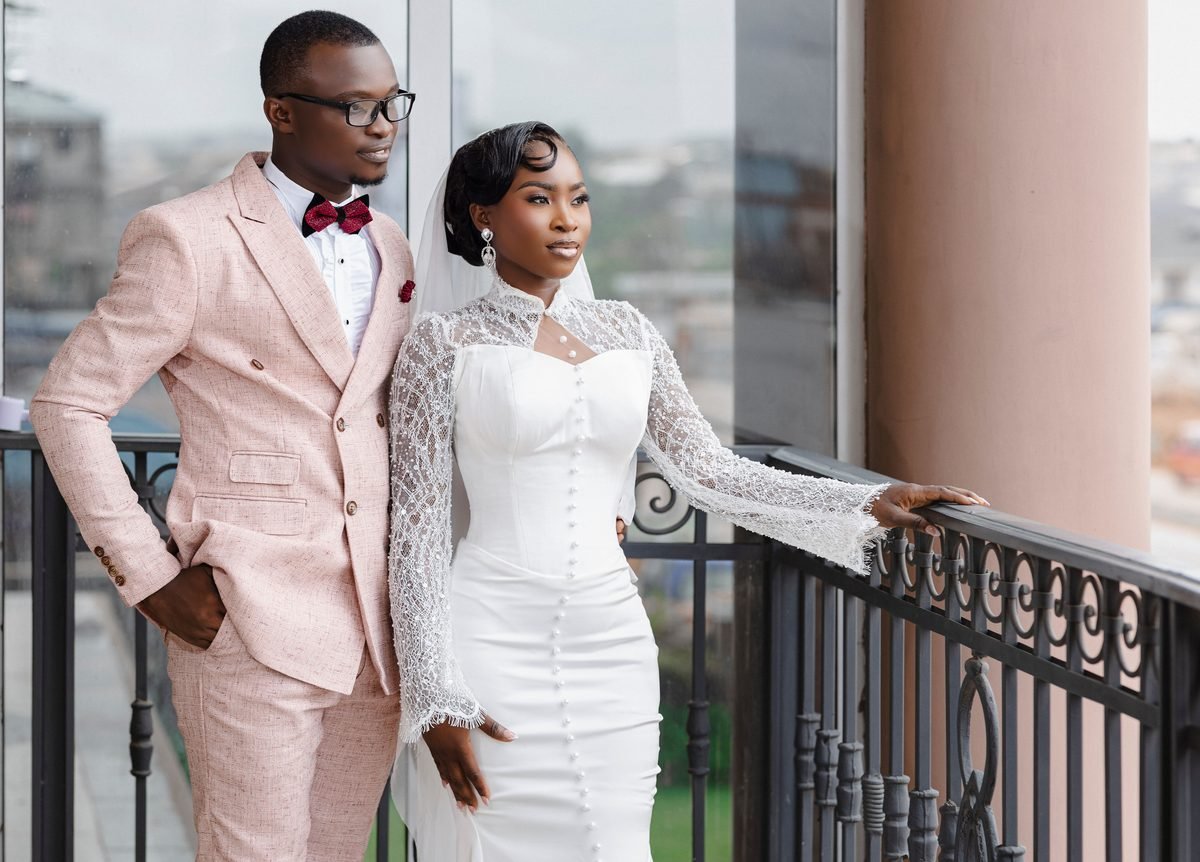
Wedding Dress Sleeves and Straps
Sleeves and straps affect comfort and coverage, so treat them as separate decisions from the neckline.
- Long sleeves: Elegant for winter weddings, religious ceremonies and a classic look. Lace, crepe and satin all work.
- Three-quarter sleeves: End between the elbow and wrist. They are practical and flattering on many arms.
- Short and cap sleeves: Cover the top of the arm only. They are good for spring and autumn.
- Bell sleeves: Flare from the elbow or wrist for a romantic, vintage effect.
- Puff sleeves: Gathered fullness at the shoulder or arm for a bolder, fashion-led look.
- Illusion sleeves: Sheer fabric with lace or beading that gives coverage with a light feel.
- Straps: Thin spaghetti straps suit minimal gowns, while wide straps provide more support. A strapless gown has none, so choose one with boning or a corset structure inside.
Add-Ons and Details That Change the Look
Overskirt: A removable skirt layer worn over a slim gown. It gives you a dramatic ceremony look and a lighter reception outfit.
Topper: A removable piece that adds fabric to the bodice, neckline or sleeves. It is useful when a venue asks for more coverage, and it creates two looks from one dress.
Corset: A bodice with internal boning or lacing. Modern corsets can be adjusted, and they provide structure and support, especially for strapless dresses.
Two-piece: A separate top and skirt. Wedding Dress Styles It gives you flexibility, and you can swap the skirt for trousers or a shorter style later.
Train and back: Trains range from a sweep, which barely touches the floor, to a chapel or cathedral train that extends further. A bustle lifts the train for dancing. Backs can be low, buttoned, open, illusion or corset-laced.
Fabrics and Seasons
Fabric changes the way a silhouette behaves, so think about it together with your date and venue.
- Tulle and organza: Light and airy, they give a ball gown or A-line volume without too much weight.
- Satin and Mikado: Smooth and structured, they hold sharp lines and suit formal ceremonies. They can feel warm in summer.
- Crepe: Matte and flowing, it is ideal for sheath and minimalist gowns.
- Chiffon: Soft and breathable, it moves beautifully outdoors and in warm weather.
- Lace: Romantic and textured, it works for most seasons depending on the lining and sleeve length.
For a summer wedding, choose breathable fabrics, shorter sleeves and a lighter skirt. For winter, consider long sleeves, heavier satin or crepe, and a topper or wrap. Check that the lining is comfortable against your skin, because you will wear it for many hours.
Where to Start by Body Shape
Think of these as starting points, not rules. The best way to find the right dress is to try several shapes and see how each feels. Dresses can also be altered to adjust the fit.
| If you want to… | Silhouettes to try | Details to consider |
| Show your waist | A-line, ball gown, fit-and-flare | Fitted bodice, defined waistline |
| Show your curves | Mermaid, trumpet, sheath | Stretch fabric, comfortable lining |
| Create a longer line | Column, trumpet, A-line | V-neck, vertical seams, heels |
| Add volume or shape | Ball gown, A-line, tiered skirts | Structured fabric, gathered details |
| Move comfortably | Sheath, A-line, empire | Light fabric, bustle, wide straps |
| Feel supported | Corset bodice, structured strapless, built-in cups | Boning, adjustable lacing |
If you are petite, avoid overwhelming volume and consider a shorter train. Wedding Dress Styles If you are tall, you can wear nearly any silhouette, and drop waists and statement sleeves can look striking. If you have a fuller bust, supportive straps or sleeves and a structured bodice add comfort. If you are athletic, a sheath, mermaid or structured gown can showcase your shoulders and arms.
How to Choose Your Wedding Dress Style
- Set your venue and season first. A cathedral, a vineyard and a beach each suit different silhouettes and fabrics.
- Decide your priorities. Do you want to dance all night, feel dramatic, keep things simple or stay warm? Choose three priorities and rank them.
- Pick two or three silhouettes. Try different shapes, even if you think you will not like them.
- Refine the neckline, sleeves and back. Once you have a silhouette you enjoy, test details such as straps, coverage and the back.
- Think about the whole look. Consider the veil, shoes, jewelry and hairstyle, as well as undergarments you may need.
- Walk, sit and dance in it. Take a few steps, lift your arms and sit down before you decide.

Fitting, Alterations and Budget
Sample gowns usually do not match your exact size, so stylists use clips and pins to show how a dress would look when made for you. Many gowns are ordered in your measurements, and most can be adjusted by the designer or a skilled seamstress. Wedding Dress Styles Changes such as hemming, bustling, adding straps, adjusting a neckline or adding a lining to a sheer panel are common.
Plan your timeline early. Many bridal gowns take several months to be made, and alterations take time after delivery, so many brides start shopping nine to twelve months before the wedding. Wedding Dress Styles Remember that alterations and accessories are additional costs, so set your total budget, not just the price of the dress. Bring the shoes and undergarments you plan to wear to your fittings, and take a photo of each look so you can compare them later.
Frequently Asked Questions
What are the most popular wedding dress styles?
The most popular silhouettes are A-line, ball gown, fit-and-flare, mermaid, trumpet and sheath. Wedding Dress Styles A-line remains a favorite because it suits many venues and is easy to move in.
What is the difference between a mermaid and a trumpet dress?
Both are fitted through the body and flare at the bottom. A mermaid flares at or below the knee and fits very closely, while a trumpet starts to flare higher, around mid-thigh, and gives you more room to walk and dance.
Which wedding dress style is best for dancing?
A-line, fit-and-flare, trumpet and sheath dresses are usually the easiest to move in. A ball gown can be lighter than it looks, and a bustle or removable overskirt helps with any style.
How do I choose a neckline?
Think about what you want to highlight and how much coverage you prefer. Wedding Dress Styles A V-neck lengthens, a sweetheart neckline is romantic, a boat neck is classic and a halter shows the shoulders. Try several, because the effect changes with each silhouette.
Can I change the style of a wedding dress?
Yes, to a degree. Straps, sleeves, necklines, lining and hems can often be altered, and toppers or overskirts can change the look. Large structural changes are more difficult, so choose a silhouette you love.
Final Thoughts
Understanding wedding dress styles makes shopping easier and more fun, because you can describe what you like and recognize what suits you. Start with the silhouette, then refine the neckline, sleeves, back and fabric to fit your venue, season and comfort. Keep an open mind, try more than one shape and trust how you feel in the dress. Wedding Dress Styles The right gown is the one you can move in, enjoy wearing and imagine yourself in on the day.